


Karnataka to Ban Social Media for Kids Under 16: CM Siddaramaiah’s Bold Move Explained
Karnataka CM Siddaramaiah announces a landmark decision to ban social media for children under 16. Explore the reasons, the impact on digital safety, and what parents need to know.
 Rajeev


Digital Safety First: Why Karnataka is Planning to Ban Social Media for Children Under 16
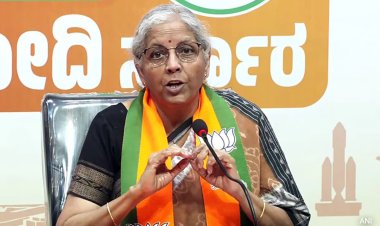
In an era where "scrolling" has replaced "strolling" for the younger generation, the Karnataka government has taken a monumental step that is sending ripples across the nation. Chief Minister Siddaramaiah recently announced that the state is working toward a complete ban on social media usage for children under the age of 16.
This move, aimed at protecting the mental health and safety of minors, positions Karnataka as a pioneer in digital regulation within India. But what does this mean for parents, tech companies, and the children themselves? Let’s dive into the details.
The Vision Behind the Ban
The announcement comes amidst growing concerns over the "dark side" of the internet. During a recent high-level meeting, CM Siddaramaiah highlighted that while technology is a boon, its unregulated access for young teens has led to several societal issues.
Key reasons cited for the proposed ban include:
-
Mental Health Protection: Rising cases of anxiety, depression, and "FOMO" (Fear Of Missing Out) among young teenagers.
-
Cyberbullying: Protecting minors from online harassment and predatory behavior.
-
Addiction: Reducing the screen time of students to improve academic focus and physical health.
-
Inappropriate Content: Preventing exposure to age-inappropriate videos and misinformation.
How Will the Ban Work?
While the policy is in its formative stages, the government is expected to collaborate with the IT department and legal experts to create a robust framework. Unlike a simple "age gate" where a child can lie about their birth year, the Karnataka government is looking into stricter verification methods.
Reports suggest that the state may urge social media platforms like Instagram, TikTok (currently banned in India), and X (formerly Twitter) to implement stricter KYC (Know Your Customer) norms or Aadhaar-linked age verification.
A Global Trend?
Karnataka isn’t alone in this fight. Countries like Australia and the United Kingdom have recently debated or implemented similar "Online Safety Acts." By taking this step, Karnataka is aligning itself with global standards of child protection in the digital space.
The Challenges Ahead
While the intent is widely praised by child psychologists, the implementation remains a massive hurdle.
-
Privacy Concerns: How will the government verify age without compromising personal data?
-
VPNs and Workarounds: Tech-savvy teens often find ways to bypass regional restrictions.
-
Parental Responsibility: Many argue that the ban should be a parental choice rather than a government mandate.
Expert Opinion: A Step in the Right Direction?
Child development experts believe that the brain's prefrontal cortex (responsible for impulse control) isn't fully developed until the mid-20s. Access to "infinite scroll" algorithms can be particularly damaging to 13-15-year-olds.
"The digital world was not built with children in mind," says a prominent Bengaluru-based psychologist. "This ban could provide a much-needed 'digital detox' for our youth."
What Parents Should Do Now
Until the law is officially gazetted and enforced, parents are encouraged to:
-
Use Parental Control apps (like Google Family Link).
-
Engage in open dialogues about the dangers of the internet.
-
Set "No-Phone Zones" during dinner and study hours.
The Karnataka government’s decision to restrict social media for those under 16 is a bold experiment in digital governance. Whether it becomes a successful model for the rest of India or faces legal challenges remains to be seen. However, it has certainly started a vital conversation: How much digital freedom is too much for our children?
What do you think about this ban? Is it a necessary protection or an overreach of government power? Let us know your thoughts in the comments below!