


Strategic Irony: How the US is Using "Reverse-Engineered" Iranian Drones to Strike Tehran
Discover the meaning behind the CENTCOM chief's claim that the US "took and improved" Iranian drones. Explore how the LUCAS drone system is turning Iran's own playbook against it in Operation Epic Fury.
 Rajeev


Turning the Playbook: The Rise of "American-Made Retribution"
In the high-stakes theater of Operation Epic Fury, a new and ironic chapter of modern warfare has emerged. The U.S. Central Command (CENTCOM) recently confirmed that for the first time in history, American forces are using one-way attack drones—modeled almost entirely on Iranian designs—to strike military targets deep within Iran.
When the CENTCOM chief remarked, "We took them, made them better," he wasn't just talking about a minor upgrade. He was announcing a strategic shift where the U.S. has successfully weaponized the very technology that was once used against its own troops.
1. What is the LUCAS Drone System?
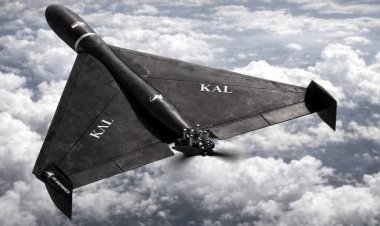
The weapon in question is the LUCAS (Low-Cost Uncrewed Combat Attack System). Developed by Task Force Scorpion Strike, this drone is a "reverse-engineered" clone of the infamous Iranian Shahed-136.
-
The Origin: The U.S. military studied captured Shahed drones—many of which were seized from battlefields in Ukraine or intercepted in the Middle East—to understand their delta-wing architecture and low-cost manufacturing.
-
The Transformation: While the Shahed is known for its simplicity, the U.S.-made LUCAS variant features American-made avionics, a more fuel-efficient two-cylinder engine, and a significantly reduced acoustic signature.
2. "Made Them Better": The American Upgrades
What exactly did the U.S. improve? According to military analysts, the "better" version offers three distinct advantages:
-
Precision Guidance: Unlike the sometimes erratic Shahed, LUCAS is equipped with advanced anti-jamming GPS and autonomous target recognition, making it far more accurate in "contested" airspaces.
-
Mesh Networking: These drones are designed for autonomous swarm operations. They can communicate with one another to saturate and overwhelm Iranian air defense systems like the S-300.
-
Modular Payloads: While the original Shahed is strictly a "kamikaze" drone, certain versions of LUCAS can be reconfigured for reconnaissance or electronic warfare, making them more versatile than their Iranian predecessors.
3. The Strategic Irony of Operation Epic Fury
The use of these drones is a deliberate psychological and tactical move. By launching "Shahed-like" swarms at Iranian missile factories and command centers, the U.S. is demonstrating that it has not only neutralized the threat but mastered it.
-
Cost-Effective Warfare: A single LUCAS drone costs between $10,000 and $55,000. Using these to strike multi-million dollar Iranian radar installations is a massive economic win for the U.S. military.
-
Saturation Strikes: CENTCOM is using these low-cost drones to "daze and confuse" Iranian defenses before sending in high-end assets like B-2 Spirit bombers.
4. Why This Matters for the Future of War
The success of the LUCAS system marks the end of the era where "expensive and few" was the only way to project power. The U.S. is now embracing "affordable mass." By taking a weapon developed by an adversary and refining it with Western technology, the Pentagon has created a scalable, expendable, and terrifyingly effective tool of war.
As one defense official put it, "It’s not just about the damage they do; it’s about the message it sends: Your best weapons are now our standard tools."